Pizza: A Versatile Font for Digital Design
The Pizza font brings a playful and artistic vibe to digital projects, making it a standout choice for web designers and creative professionals. With its unique character shapes and friendly aesthetic, Pizza is ideal for designs that aim to convey warmth, creativity, and approachability. Whether you're working on a children’s book, a brand website, or a social media graphic, this font can add personality without overpowering the content.
Visual Personality and Style
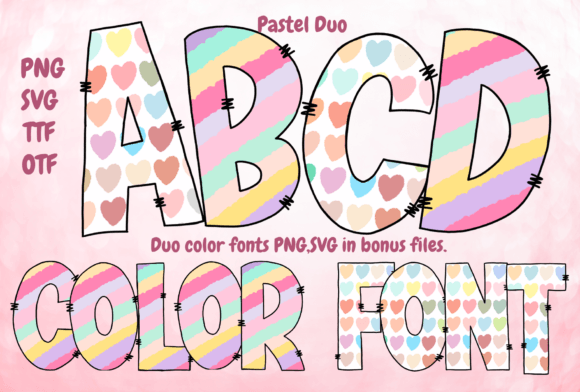
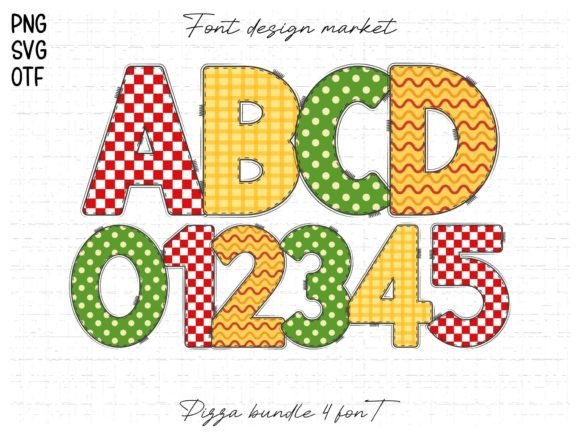
Pizza is a color font with a distinct handcrafted feel. Its curves and rounded edges give it a soft, inviting look that feels both modern and nostalgic. This font is perfect for projects that require a touch of whimsy or charm—think greeting cards, invitations, and branding for lifestyle businesses. The font’s versatility allows it to work well in both display and body text contexts, depending on how it's styled and paired.
Applying Pizza in Web Design
As a web designer, I’ve found that Pizza shines in areas where visual appeal meets readability. It works beautifully in headers, hero sections, and call-to-action buttons. For instance, using Pizza as a hero title can immediately grab attention while maintaining a sense of approachability. On landing pages, it can be used for section headings or short promotional phrases to guide users through the content flow.
In online stores, Pizza can be applied to product banners or promotional offers, helping to create a cohesive and engaging shopping experience. When paired with a clean sans-serif font for body copy, it ensures a balance between style and clarity. This makes it an excellent choice for e-commerce sites that want to maintain a friendly yet professional tone.
Readability and Layout Considerations
While Pizza is visually appealing, it's important to consider its readability in different contexts. On mobile screens, it performs best when used in larger sizes, especially for headlines and buttons. For smaller text, such as body copy, it’s better to pair it with a more legible sans-serif font to ensure clarity across all devices.
When using Pizza on dark backgrounds, it maintains good contrast and legibility. However, on light backgrounds, it may appear slightly lighter than expected, so testing in various environments is key. Image overlays can also affect readability, so it's important to adjust typography settings accordingly to maintain a clean and readable layout.
Font Pairing Strategies
One of the strengths of Pizza is its ability to pair well with other fonts, allowing for dynamic and balanced design compositions. For a more editorial feel, pairing it with a serif font like Georgia or Merriweather can create a refined look. Alternatively, combining it with a simple sans-serif font like Montserrat or Open Sans can enhance readability while preserving the font’s distinctive character.
For branding purposes, Pizza can serve as a primary typeface for logo design, especially for businesses targeting a younger or creative audience. When used alongside a secondary font for body text, it creates a clear visual hierarchy and reinforces brand identity.
Practical Use Cases
- Creative Portfolio Sites: Use Pizza for headings and titles to showcase your design style while keeping the rest of the content clean and professional.
- Boutique Online Stores: Apply Pizza to product names and promotional banners to reflect the brand’s personality and uniqueness.
- Coaching Websites: Incorporate Pizza into headers and subheadings to create a welcoming and engaging user experience.
- Course Sales Pages: Use Pizza for catchy headlines and call-to-action buttons to draw attention and encourage conversions.
- Blog Headers: Add a touch of personality with Pizza in your blog headers, making your content stand out in a crowded digital space.
- Digital Brand Kits: Include Pizza as part of your brand assets to ensure consistency across all marketing materials and online presence.
Technical and Licensing Considerations
Before using Pizza in your projects, make sure to check the included styles, file formats, and webfont availability. Most premium fonts offer multiple weights and alternates, which can help you customize the font to suit different design needs. Additionally, verifying multilingual support is essential if you’re targeting international audiences.
When using Pizza commercially, always ensure that you have the appropriate license for websites, client projects, online stores, and digital templates. Proper licensing not only protects your work but also ensures that you can use the font confidently across all platforms and devices.
Conclusion
Pizza is more than just a font—it’s a tool that can elevate your digital design projects with its playful and artistic qualities. Whether you're building a website, creating social media graphics, or designing a brand kit, Pizza offers a unique blend of style and functionality. By understanding its strengths and limitations, you can harness its potential to create engaging, readable, and visually compelling digital experiences.